The End of Gas
When does buying a gas car become obviously wrong instead of arguably suboptimal? The math says sooner than most people think.
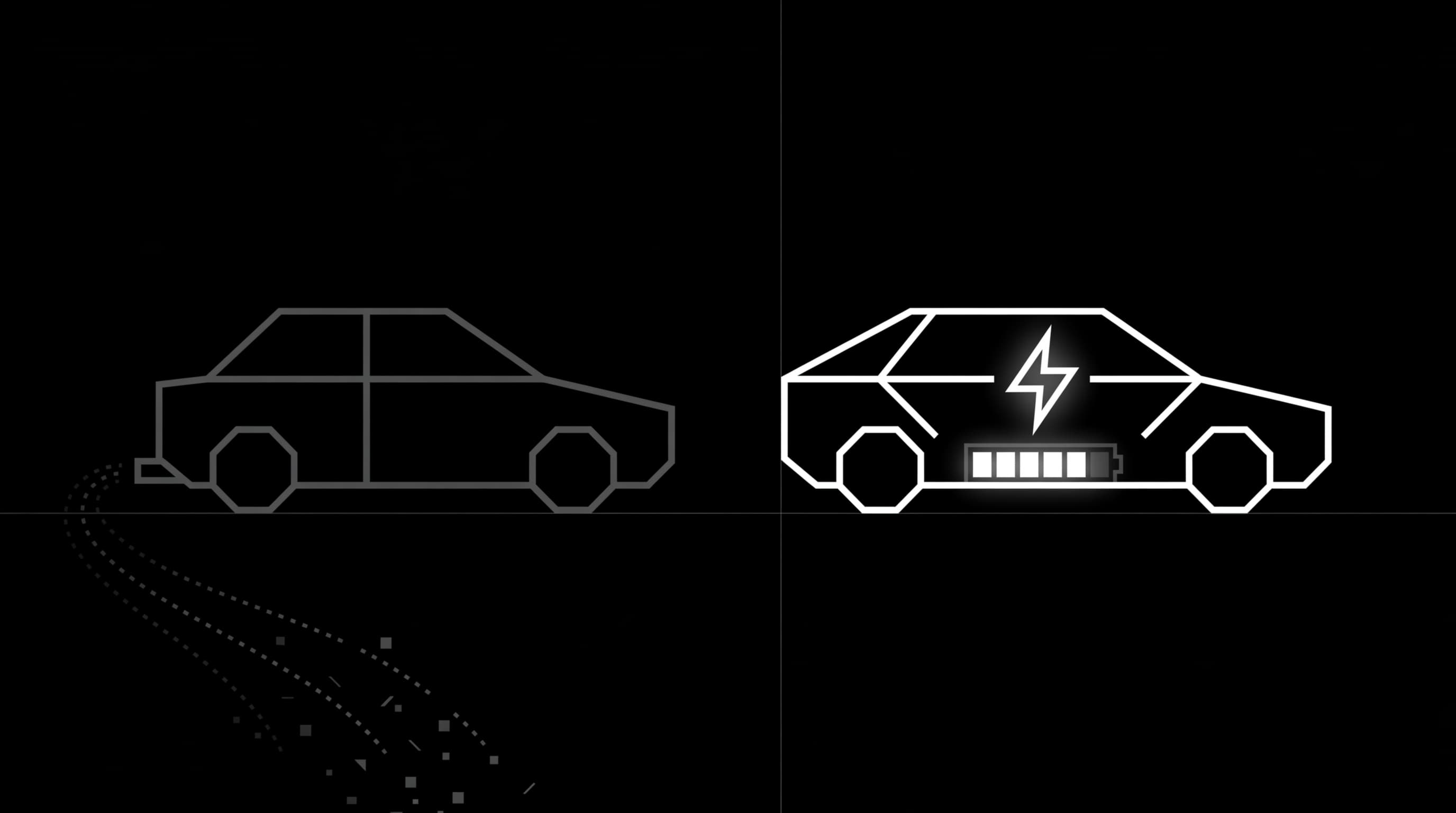
I’ve been thinking about when, exactly, it stops making sense to buy a gas car. Not for environmental reasons, though those matter. Just economically.
The usual framing is that EVs are the future but gas cars are fine for now. I’m not sure that’s right anymore. The math is starting to shift in ways that aren’t obvious if you’re just comparing sticker prices.
The upfront cost of an EV is still higher than a comparable gas car. But upfront cost isn’t total cost. Electricity is cheaper than gas per mile. EVs have fewer moving parts, so maintenance costs less. No oil changes, no transmission repairs, no exhaust system. Over the life of the car, these differences compound.
There’s also resale value to consider. Gas cars are depreciating assets, but they’re now depreciating into a world where their fuel source is becoming obsolete. It’s hard to know exactly when “hard to find a gas station” becomes a real problem, but it’s probably within the lifetime of a car you buy today. That uncertainty gets priced in.
The performance question has basically been answered. Early EVs were slow and boring. Current ones are not. A Tesla Model S Plaid is one of the fastest production cars ever made. The instant torque of electric motors means even cheap EVs feel quick off the line. This isn’t a tradeoff anymore.
The environmental argument is real but more complicated than people admit. EVs produce zero tailpipe emissions, which matters a lot in cities. But the electricity has to come from somewhere, and in many places that somewhere is still coal or natural gas. The lifecycle analysis depends heavily on your local grid. If you’re charging from renewables, EVs are dramatically cleaner. If you’re charging from coal, the advantage shrinks.
Battery production also has environmental costs. Mining lithium and cobalt isn’t clean. The honest answer is that EVs are better but not perfect, and the gap between “better” and “perfect” depends on details that vary by location and keep changing as grids get cleaner.
The real bottleneck is charging infrastructure. If you have a garage, you can charge at home overnight and never think about it. If you don’t, you’re dependent on public chargers, which are still sparse and unreliable in many areas. This is a genuine problem. Road trips require planning that gas cars don’t. For some people, in some places, this is a dealbreaker.
I expect the infrastructure problem to get solved, but I’m less certain about the timeline than the optimists. Building out charging networks requires capital, coordination, and time. It’s happening, but “happening” and “done” are different things.
The question I keep coming back to is whether there’s a crossing point, a moment when buying a gas car becomes obviously wrong rather than just arguably suboptimal. I think we might be closer to that point than most people realize. Not because EVs are perfect, but because the trajectory is so clear. Gas cars aren’t getting better. EVs are getting better fast. At some point the lines cross, and after that, buying gas is just leaving money on the table.
My guess is that for most people who can charge at home, that point is now or very soon. For people who can’t, it’s further out, but probably still within this decade.
The era of gas cars isn’t over, but you can see the end from here. Whether that’s good or bad depends on who you are. If you work in the oil industry or own a gas station, it’s a problem. If you like the sound of a V8, you’ll miss it. Transitions always have losers.
But for most people, cheaper transportation that’s also cleaner is just straightforwardly good. The interesting question isn’t whether this transition happens. It’s how fast, and what we do about the people and industries caught in between.